 John
JohnIntroduction: A Night Out, A Bright Lesson
I was on a rooftop, watching a show set up to wow the block. The sky laser came on, painting the clouds like a mural. But the crowd shifted when the beam dimmed mid-song—phones out, eyebrows up. Data says outdoor events lose up to 27% of “stay time” when visuals drop below expected brightness, and power draw spikes by 15–25% when rigs overcompensate. So here’s the real ask: are we tuning for peak moments, or for steady, safe shine all night?
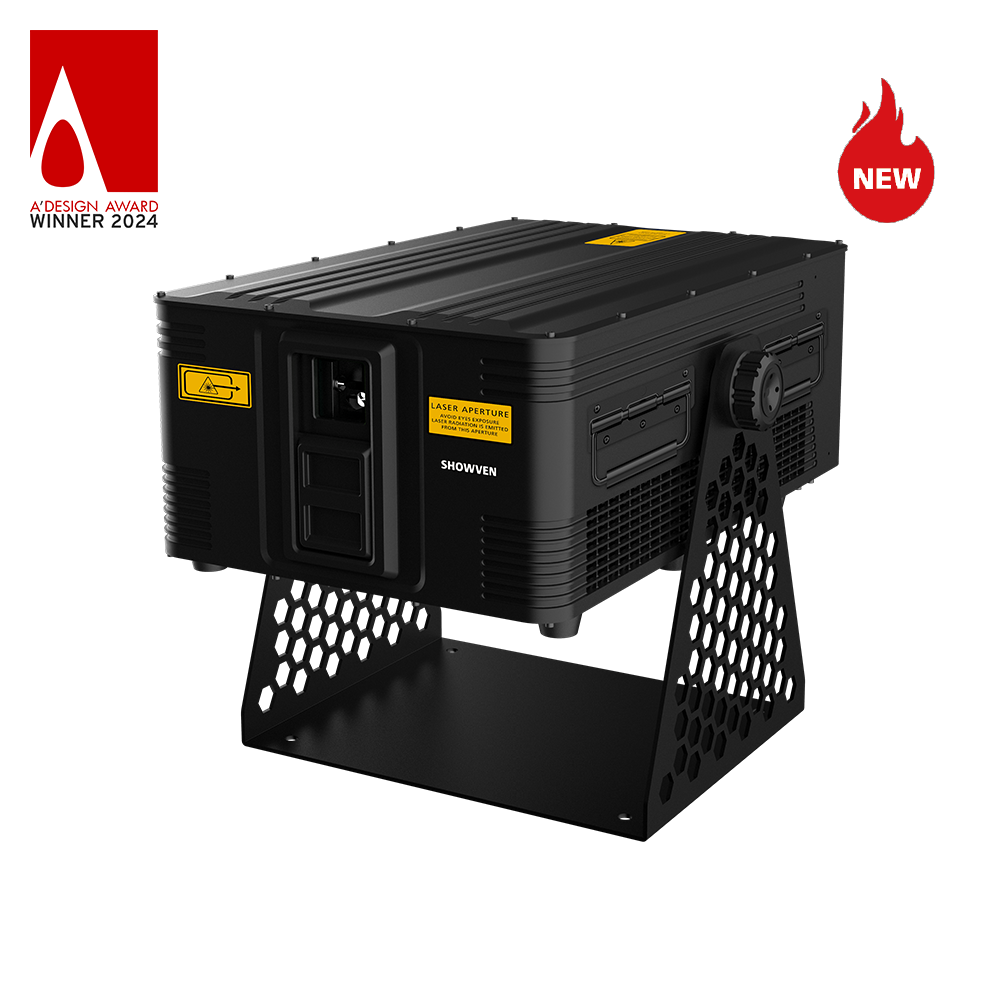
Now, I ain’t here to clown nobody—just sharing game. In live rigs, the weak link is often the chain between power converters, galvo scanners, and cooling loops. When the duty cycle runs high, some systems choke, and beam divergence creeps. That’s not only a vibe killer; it stresses safety zones and makes operators ride the DMX like it’s manual mode. If your plan is “push it and pray,” well, that ain’t a plan. Let’s slide into the moving parts and see what really holds up when the music hits and the weather flips.
Let’s break it down and keep it plain.
Under the Hood: The 60W Class Without the Myths
What’s actually limiting output?
Start with the source. A 60w laser light sounds like a cure-all, but wattage is only chapter one. Look, it’s simpler than you think. Many older rigs hit their rated power only in short bursts, with thermal throttling right behind. The cooling loop and fan curve decide if that 60W is real at minute 40, not minute 4. If the power converters sag, beam brightness dips, and the audience calls it “flicker” even when scan rates hold. — funny how that works, right?
Hidden pain point number two: control and optics. A clean ILDA signal and steady DMX timing don’t matter if beam divergence swells under heat. That widens the spot and washes the sky instead of cutting it. Galvo scanners can track fast cues, but if the inertia settings and scan angles are off, edges smear. Add wind, and the problem multiplies. The fix isn’t just “more power.” It’s matched components: PSU headroom, tuned scan rates, and a thermal profile that keeps the duty cycle honest. If your show needs steady cues, spec for sustained output, not just spec-sheet peaks.
Next-Wave Principles: Where Power Meets Precision
What’s Next
From here, the smart move is to compare systems by how they hold up over time, not by their loudest number. New designs spread heat with better sinks and smarter airflow paths. Some even reserve a slice of power for stability, so the beam stays crisp when cues stack. Think of it as a control loop: sensors measure temp and current, firmware adjusts scan speed and output in micro-steps. The result? Fewer artifacts at distance, cleaner aerials, and safer interlocks that don’t trip on every bump. If you’re speccing a laser for building façades or skyline shows, that balance matters more than hype. Semi-formal take, simple truth: stability beats spikes.
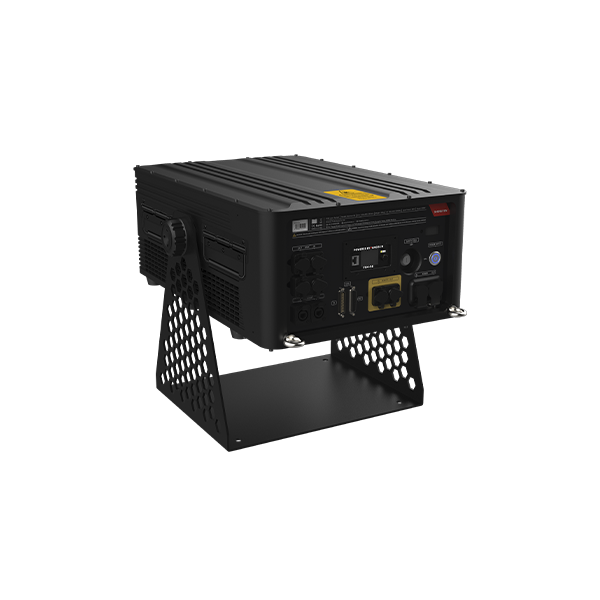
Quick wrap of the insights without the copy-paste: peak wattage is cheap; sustained clarity costs craft. The real gains come from matched optics, honest cooling, and low-latency control paths. To choose well, use three checks: (1) sustained output at a realistic duty cycle, measured after 30–45 minutes; (2) beam quality metrics—divergence at distance and edge integrity during fast pans; (3) control reliability—scan accuracy with your usual content, plus safe, predictable interlocks. Miss any of those, and your “big” light looks small. Nail them, and your 60W behaves like a pro across the whole set—no drama, just glow. And sometimes, the quiet engineering wins the loudest applause — funny how that works, right? Shared with love for clean lines and solid gear from Showven Laser.

 admin
admin