 John
John
The advent of cochlear implants has revolutionized the way we approach hearing loss in children. These sophisticated devices offer hope to families grappling with the challenges of deafness or severe hearing impairment. By bridging the gap between sound and silence, cochlear implants empower young individuals to engage more fully with their environment.
Click to find more about cochlear implant for child.Realize Cochlear Implants for Children
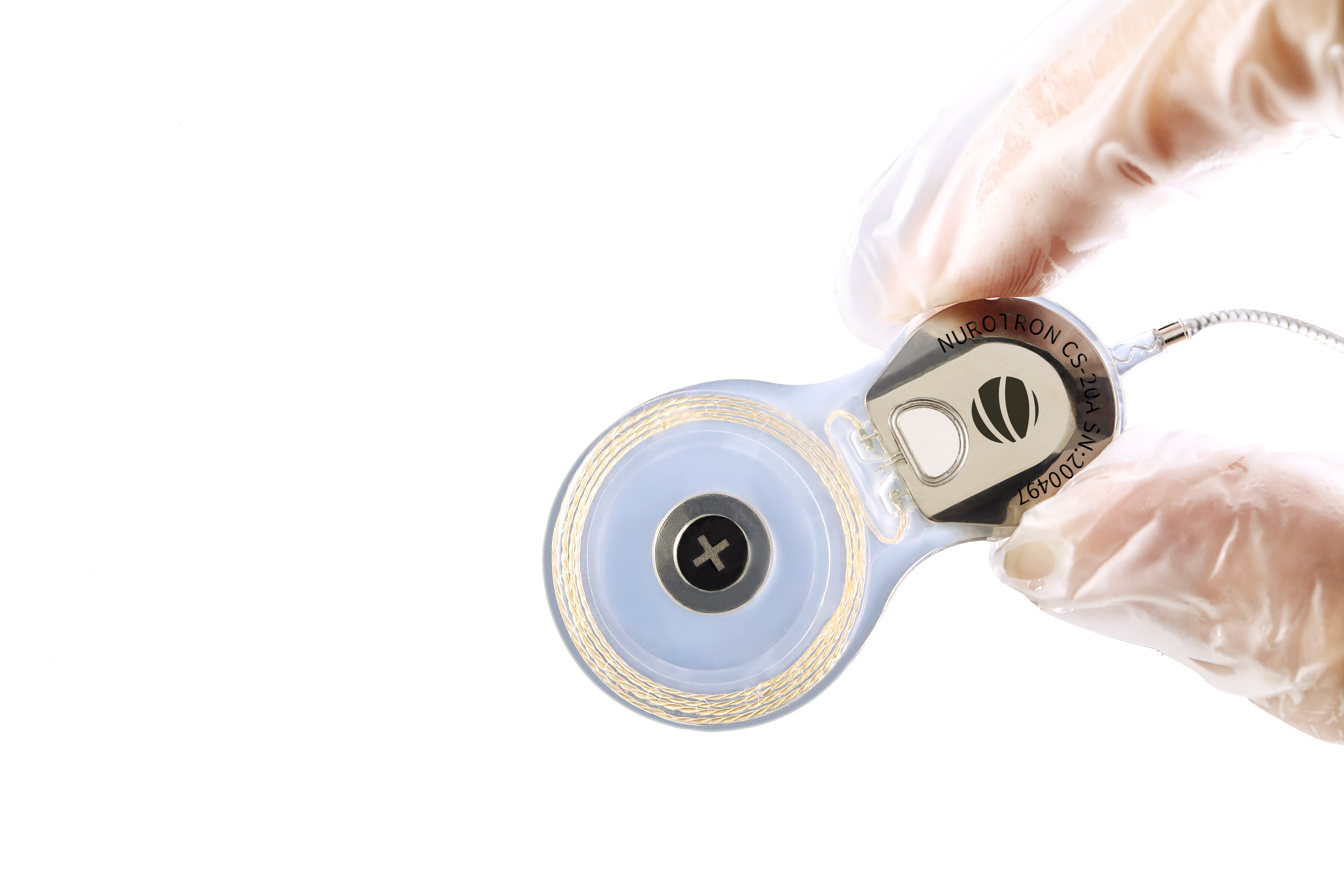
Cochlear implants are electronic medical devices that bypass damaged portions of the ear and directly stimulate the auditory nerve. For children born with profound hearing loss, these implants can significantly enhance their ability to perceive sounds and develop language skills. Early intervention is crucial; studies indicate that children who receive cochlear implants at a young age often achieve better speech comprehension compared to those who receive them later in life. Furthermore, advancements in technology have made these devices smaller and more efficient, catering specifically to pediatric needs.
Nurotron’s Contributions to Cochlear Implant Technology
Nurotron is at the forefront of developing innovative solutions for auditory rehabilitation through its cutting-edge cochlear implant systems. The company focuses on creating user-friendly designs that prioritize comfort while delivering high-quality sound processing capabilities. Nurotron’s commitment extends beyond just technological advancement; they also emphasize extensive training programs for both clinicians and patients’ families, ensuring effective usage post-implantation. Their research continues to push boundaries, aiming not only for improved functionality but also enhanced aesthetic appeal tailored for younger users.
Explore Cochlear MRI Techniques
cochlear MRI techniques represent a significant leap forward in assessing implant placement and function without invasive procedures. This imaging modality allows healthcare professionals to visualize anatomical structures surrounding implanted devices accurately while minimizing patient discomfort during evaluations. With advanced imaging technologies like 3D reconstruction becoming increasingly accessible, it becomes easier than ever before to monitor outcomes over time effectively. Such innovations ensure optimal performance of cochlear implants by facilitating timely interventions when necessary.
Conclusion: Embracing Cochlear Implants as Lifelines for Children
The development of cochlear implants marks a transformative era in addressing childhood hearing impairments effectively. As we continue explore new frontiers within this field—balancing features with simplicity—we remain committed to enhancing children’s lives through improved auditory experiences. Ultimately, investing in such groundbreaking technologies ensures that every child has an opportunity not just to hear but also thrive socially and academically.

 Baniza
 SEO
SEO