 SEO
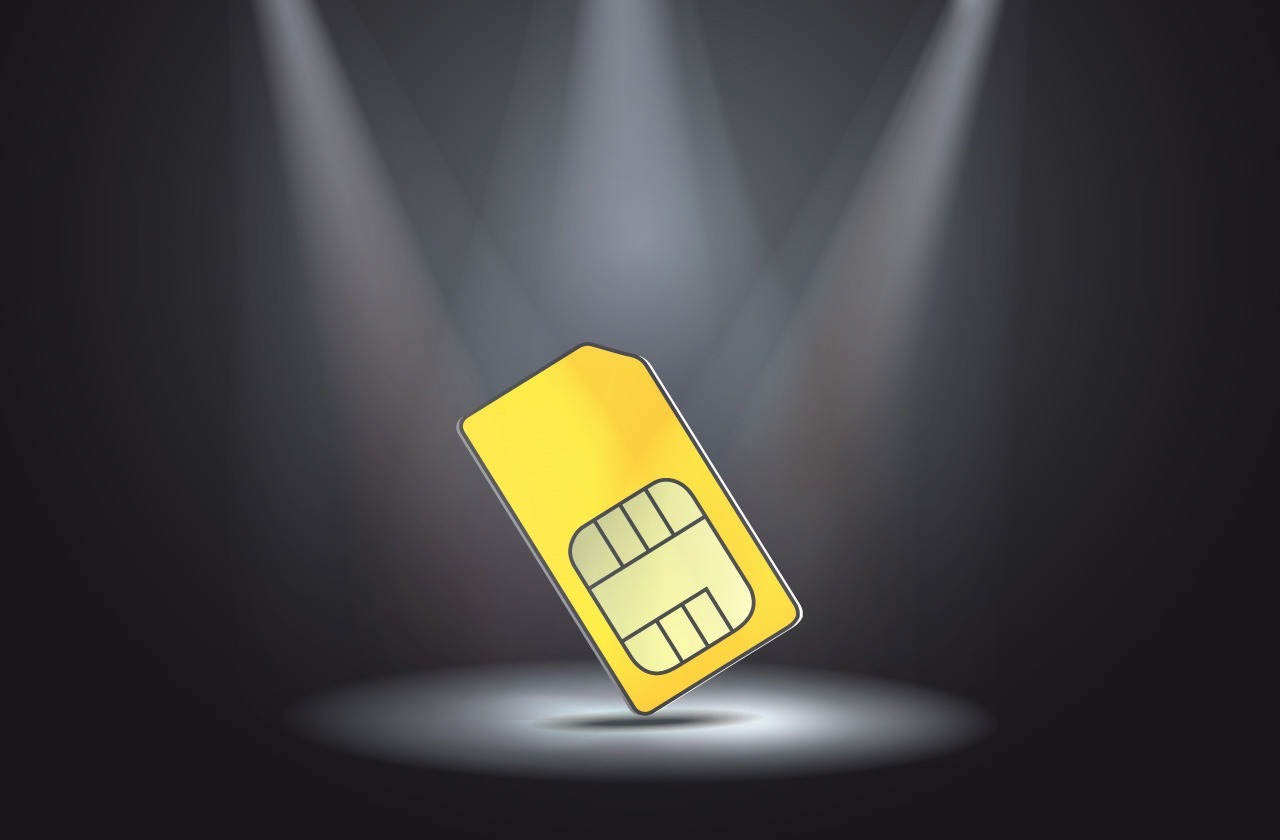
In the era of smartphones, tablets, and the Internet of Things (IoT), the SIM card quietly plays a crucial role in enabling seamless connectivity and communication. From its humble beginnings to its current evolution, the SIM card has become an indispensable component in our daily lives. Here’s a deep dive into esim usa travel what makes the SIM card so essential, how it works, and its impact on modern technology.
Origins and Development
The Subscriber Identity Module (SIM) card emerged in the early 1990s alongside the rise of GSM (Global System for Mobile Communications) technology. Initially conceived as a way to securely store user identity information, SIM cards quickly became standard in mobile phones worldwide. Over time, they evolved from the larger Mini-SIM to the smaller Micro-SIM and Nano-SIM formats we see today, adapting to the shrinking sizes of mobile devices while improving in functionality and security.
How SIM Cards Work
At its core, a SIM card is a small, portable chip that securely stores unique information about the subscriber and their network connectivity. This includes the IMSI (International Mobile Subscriber Identity), which identifies the user on the network, and the Ki (Authentication Key), which ensures secure access to network services. When inserted into a device, the SIM card enables access to voice calls, text messages, and mobile data services provided by mobile network operators.
Types of SIM Cards
SIM cards come in several sizes and formats, each designed to fit different devices:
Mini-SIM: The original standard SIM card size.
Micro-SIM: Introduced for smaller devices like early smartphones and tablets.
Nano-SIM: The smallest SIM card size used in most modern smartphones and IoT devices.
The Role of SIM Cards in Connectivity
SIM cards play a crucial role in maintaining global connectivity:
Mobile devices: Essential for smartphones and tablets to access cellular networks for calls, texts, and data.
IoT Devices: Enable connectivity for a wide range of devices, from smart home gadgets to industrial sensors, facilitating real-time data transmission.
Global Roaming: Allow users to seamlessly connect to different networks while traveling internationally, ensuring continuous service.
Security and Authentication
Beyond connectivity, SIM cards ensure data security and user authentication:
Encryption: Secure data transmission over cellular networks.
Authentication: Verify the identity of users accessing network services, protecting against unauthorized use.
Future Innovations and Trends
Looking ahead, SIM cards are poised to undergo further transformation:
eSIM Technology: Embedded SIMs that are soldered directly onto devices, eliminating the physical card and allowing for remote provisioning of network profiles.
5G Networks: Adaptations to support the high-speed, low-latency requirements of 5G technology, enabling enhanced mobile experiences and IoT applications.
Conclusion
In conclusion, while often overlooked, the SIM card is a cornerstone of modern connectivity. From its beginnings in GSM networks to its adaptation in the 5G era, SIM cards continue to evolve, enabling us to stay connected in an increasingly digital world. Whether in smartphones, IoT devices, or future innovations, the SIM card remains a vital component that ensures our ability to communicate and access information anytime, anywhere.

 John