 John
Eczema, a chronic skin condition also referred to as atopic dermatitis, affects millions of people worldwide. Characterized by inflamed, itchy, and irritated skin, eczema can range from mild to severe, significantly impacting daily life. It typically begins in childhood, though it can develop at any age. The exact cause remains elusive, but scientists believe it results from a combination of genetic and environmental factors. In individuals with eczema, the skin’s 濕疹護理 natural barrier is weakened, making it more susceptible to irritants and allergens that trigger flare-ups, causing discomfort and distress.
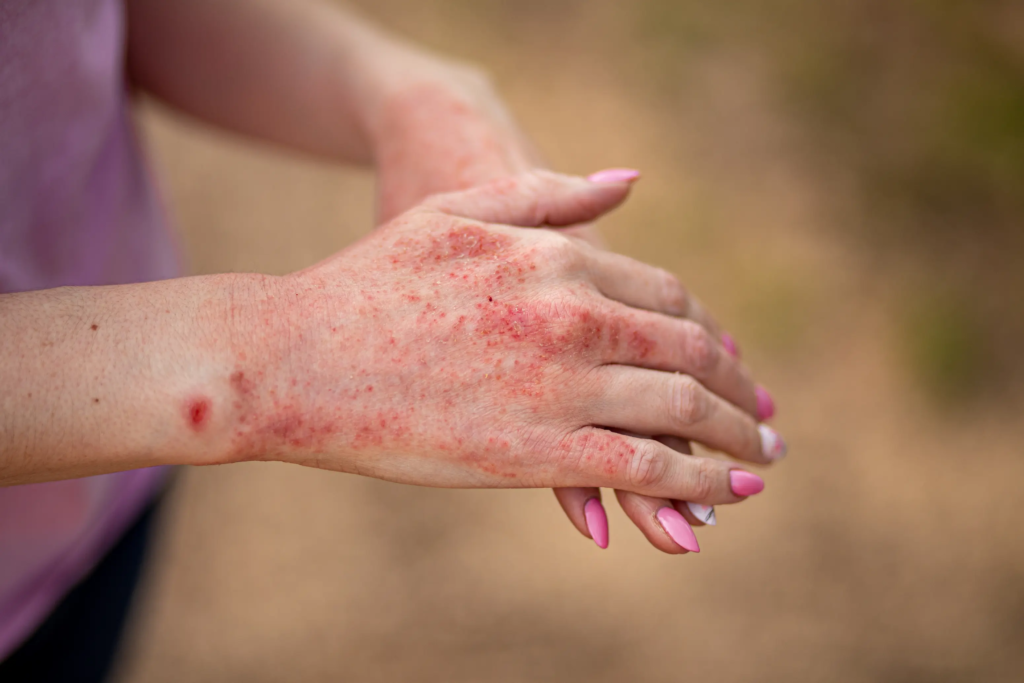
The hallmark symptom of eczema is intense itching, which can abecome unbearable, often leading to constant scratching. Scratching can worsen the condition by further irritating the skin and causing skin breaks that may become infected. Alongside itching, eczema manifests as dry, red, and inflamed skin, sometimes forming blisters that ooze or crust over. Over time, affected areas may become thickened, particularly from chronic scratching. Eczema commonly affects areas like the face, hands, behind the knees, and elbows, although it can appear anywhere on the body. It is often cyclical, with flare-ups alternating with periods of relative calm, making it unpredictable and difficult to manage.
The precise cause of eczema is still not fully understood, but a variety of factors are believed to contribute. Genetics plays a significant role, as people with a family history of eczema, asthma, or hay fever are at higher risk. Environmental triggers, such as exposure to harsh chemicals, allergens, extreme temperatures, or certain fabrics, can provoke flare-ups. Additionally, emotional stress and anxiety are often linked to worsening eczema symptoms, highlighting the connection between mental health and skin conditions. A weakened skin barrier that fails to retain moisture or protect against harmful substances further exacerbates the problem, leaving the skin vulnerable to inflammation and irritation.
While there is no definitive cure for eczema, effective treatments exist to manage symptoms and improve quality of life. The primary goal is to reduce inflammation, relieve itching, and restore the skin’s protective barrier. Topical corticosteroids are commonly prescribed during flare-ups to reduce inflammation and control symptoms. However, prolonged use of steroids can have side effects, so healthcare providers often recommend intermittent use or alternative treatments. Moisturizers and emollients are essential in managing eczema, as they help to keep the skin hydrated and prevent it from becoming too dry, which can worsen irritation. In more severe cases, doctors may recommend immunosuppressive medications or phototherapy to control the symptoms and prevent flare-ups.
Living with eczema can be challenging, but with the right strategies, individuals can manage the condition effectively. Consistent moisturizing with fragrance-free, gentle products can help prevent dryness and irritation. Wearing soft, breathable fabrics like cotton and avoiding harsh detergents or soaps can also minimize flare-ups. Identifying and avoiding specific triggers, such as allergens, temperature extremes, or stress, is crucial for long-term management. While eczema can’t be cured, effective treatments and lifestyle changes allow those affected to lead relatively comfortable and active lives. By working closely with healthcare providers, individuals can develop personalized treatment plans tailored to their needs, ensuring the best possible management of their condition.
In conclusion, eczema is a complex and often frustrating skin condition, but understanding its causes and symptoms can help individuals take control of their health. Through a combination of medical treatments, skincare routines, and lifestyle adjustments, it is possible to reduce flare-ups and alleviate the discomfort associated with eczema. Although there is no permanent cure, advances in research and treatment options offer hope for better management of the condition. By adopting a proactive approach to managing eczema, individuals can significantly improve their quality of life and enjoy healthier, more comfortable skin.

 admin