 John
Why Small Tweaks Outsmart Heavy Lifts
Here’s the setup: you’re on a late shift, aisles stacked, timers running, and the next pallet swap is already “in the red.” A lifting robot hums nearby, lining up like a speedrunner hitting frame-perfect inputs. In many sites, micro-stops eat up to a third of cycle time, yet the spec sheet only talks payload and top speed—funny how that works, right? With a tuned robot lift system, the win often comes from smarter control loops, not brute force. Servo drives, LiDAR SLAM, and edge computing nodes keep alignment tight while the torque curve stays stable under load. Look, it’s simpler than you think: fewer stalls, cleaner handoffs, fewer scrapes.
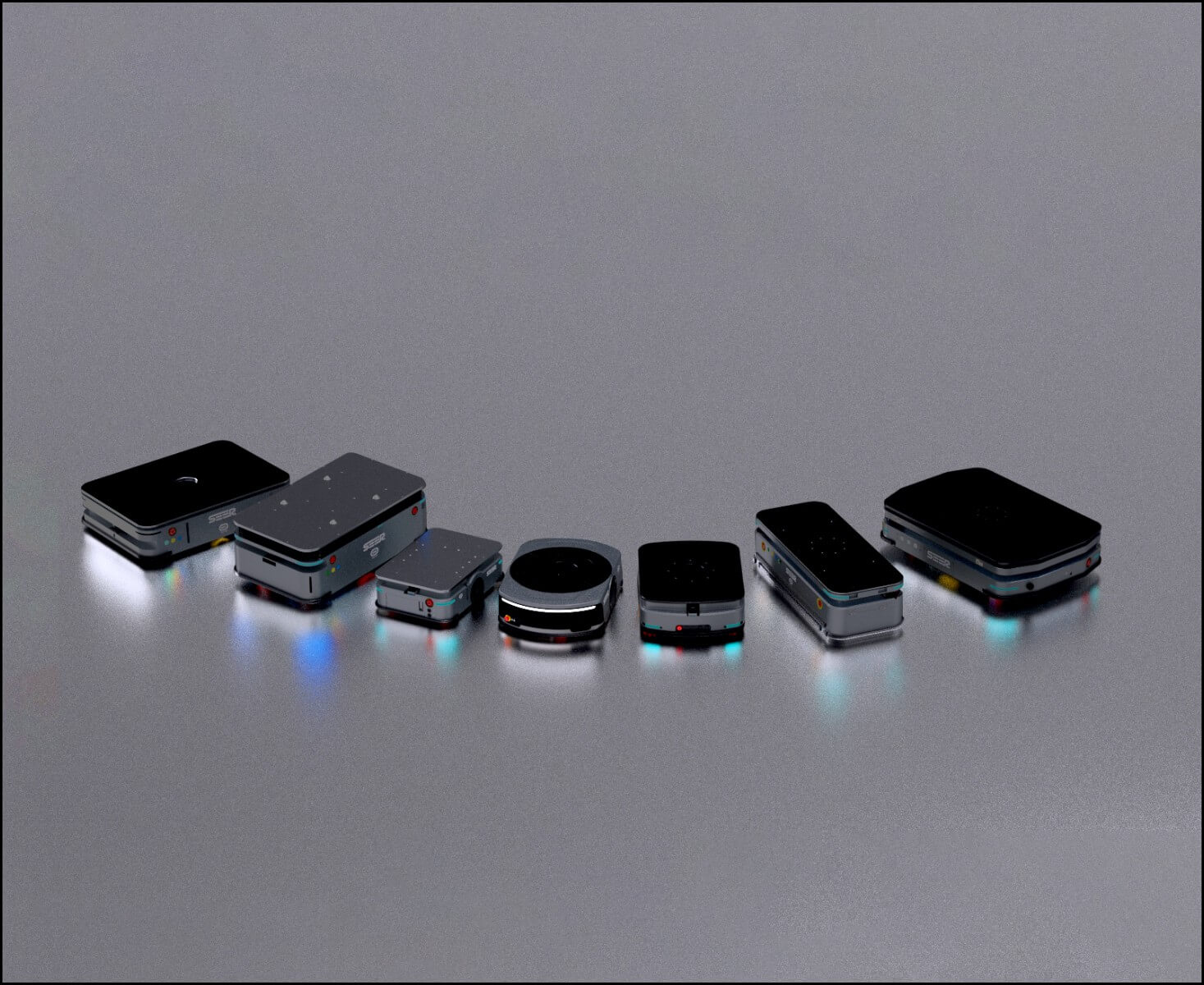
So here’s the question: if tiny adjustments deliver outsized gains, why are so many teams still overpaying in downtime and rework? The answer starts where metrics hide in the margins—precision, repeatability, and how the system handles fuzz in real life. Let’s roll into the deeper layer.
The Hidden Pain Points Old Setups Don’t Show On Paper
What’s the real bottleneck?
Traditional hoists bank on raw lift and rigid timing. But real floors aren’t ideal. Skids are warped. Pallets vary. Lighting throws LiDAR noise. When the control stack can’t adapt, the robot nudges, backs off, and retries. Each “almost” costs seconds. Multiply that by a shift, and you lose hours. The culprit is often control latency and fuzzy sensing. If the CAN bus chatters or the inertial sensors drift, the fork tips hunt for center and miss. Power converters that sag under peak draw make the lift feel “spongy,” so operators creep the approach—death by a thousand micro-pauses.
There’s also the human factor. Operators learn quick to “work around” quirks, which hides failure until volume spikes. The spec sheet promises 1.0 m/s; real runs hit 0.7 because retries stack up. A smarter play is a robot lift system tuned for variance: tighter sensor fusion, faster control cycles, and lift profiles that watch the torque curve at the millisecond level. That’s what cuts jitter, not just bigger motors. And—this is key—error handling should be graceful, not dramatic. Recover, re-center, roll. Sounds basic, but it flips the day from chaos to calm.
From Tweaks to Principles: What’s Next for Smarter Lifts
What’s Next
Forward-looking systems shift from “move and hope” to “sense, simulate, act.” New stacks run model-predictive control with force feedback, so the forks adapt before contact. Edge planners correct path drift while LiDAR SLAM and camera fusion reject glare and wrapper shine. Servo drives modulate lift with soft start and micro-hold, so the payload stays steady even when CG is weird—wild, but true. With health data streaming from vibration and current signatures, predictive maintenance flags a failing bearing before your uptime gets ganked. The result: fewer retries, fewer tap-backs, smoother handoffs.

Comparatively, a modern robot lift system looks less like a dumb elevator and more like a compact mechatronic stack. Think: fast cycle PLC safety, hot-swappable battery trays, and standardized APIs that play nice with WMS and MES. Tight loops on the actuator, low-latency networks, and guardrails that keep the system safe without nerfing speed. You’re not buying “lift”; you’re buying reliable flow. That’s the pivot.
Before you choose, anchor on three metrics: 1) Recovery behavior under bad pallets and misalignment (measure retries per 100 lifts); 2) Real-world throughput at 80% payload, including corner cases (not lab demos); 3) Control stack health: sensor fusion latency, servo drive response, and mean time between intervention. Nail those, and the rest follows—less drift, less downtime, more calm ops. For teams aligning on that playbook, one steady reference point is SEER Robotics.

 SEO